Why Your Safety Boot Outsole Is the Most Important Part
And Most Procurement Specs Ignore It
22 August 2026
Written by Audrey Tan
What the Outsole Actually Does
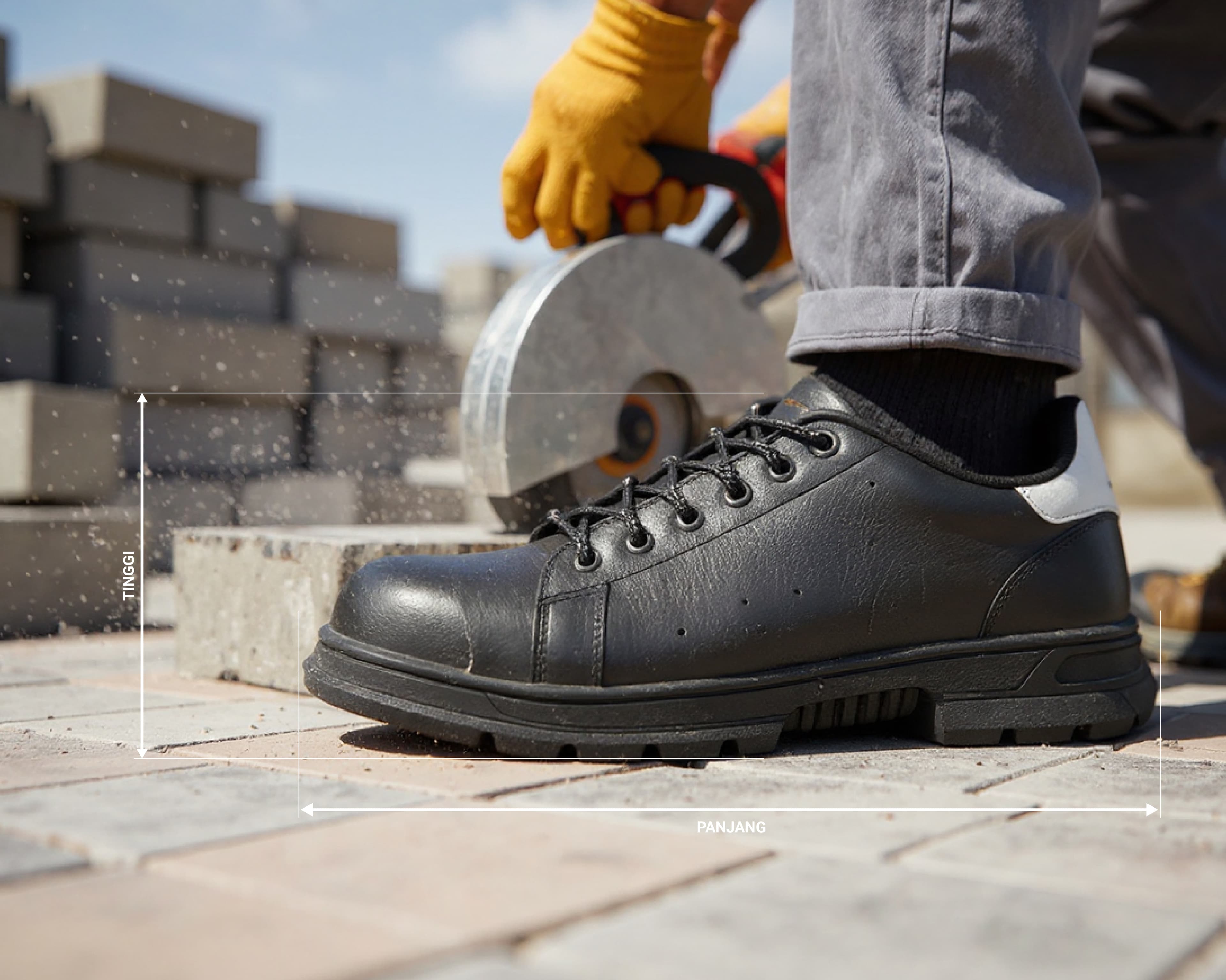
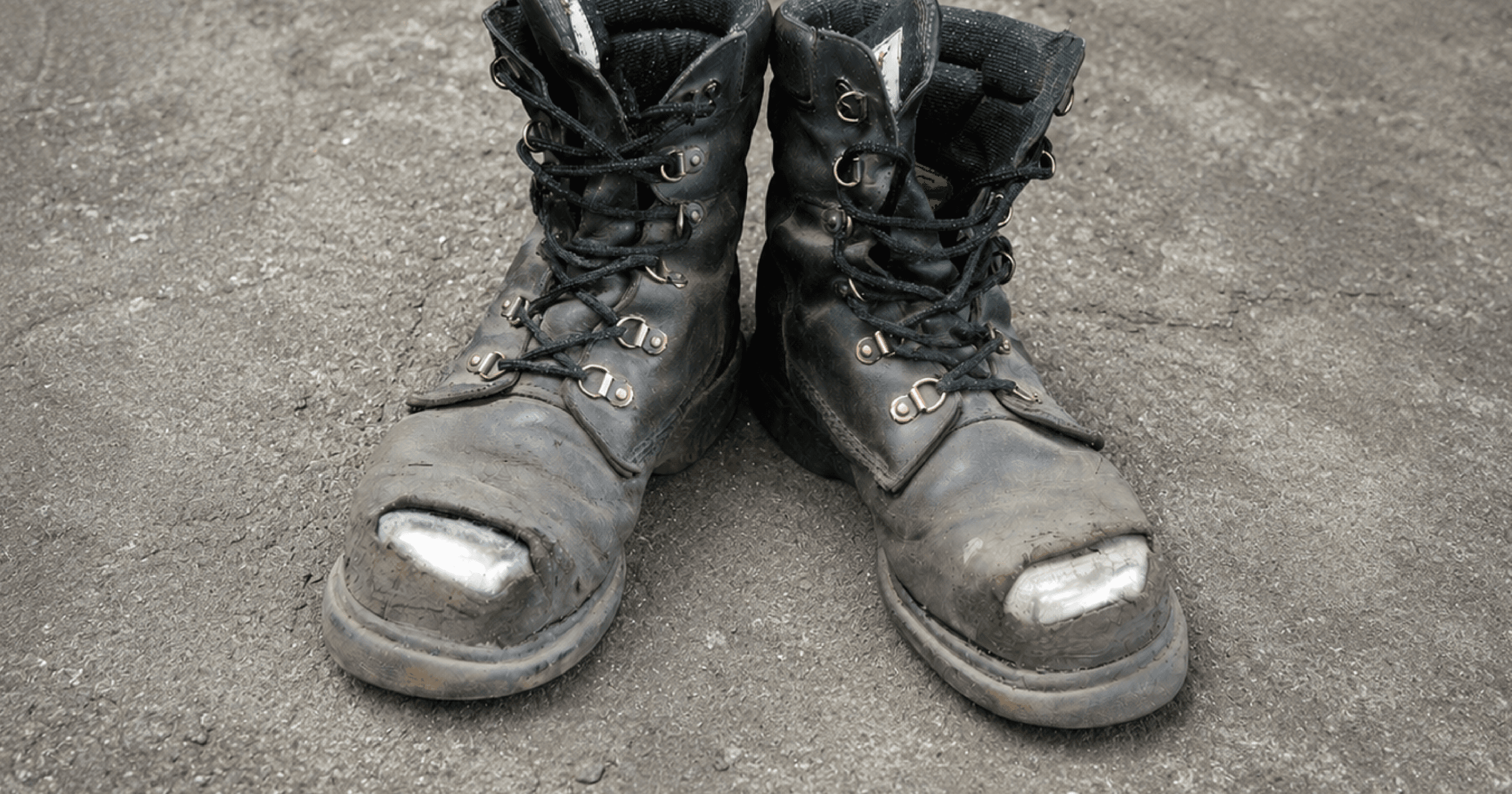
Ask most people what makes a safety boot safe, and they'll say the steel toe. The steel toe matters. But the part of the boot that fails most often, causes the most injuries, and is most commonly overlooked in procurement specs is the outsole.
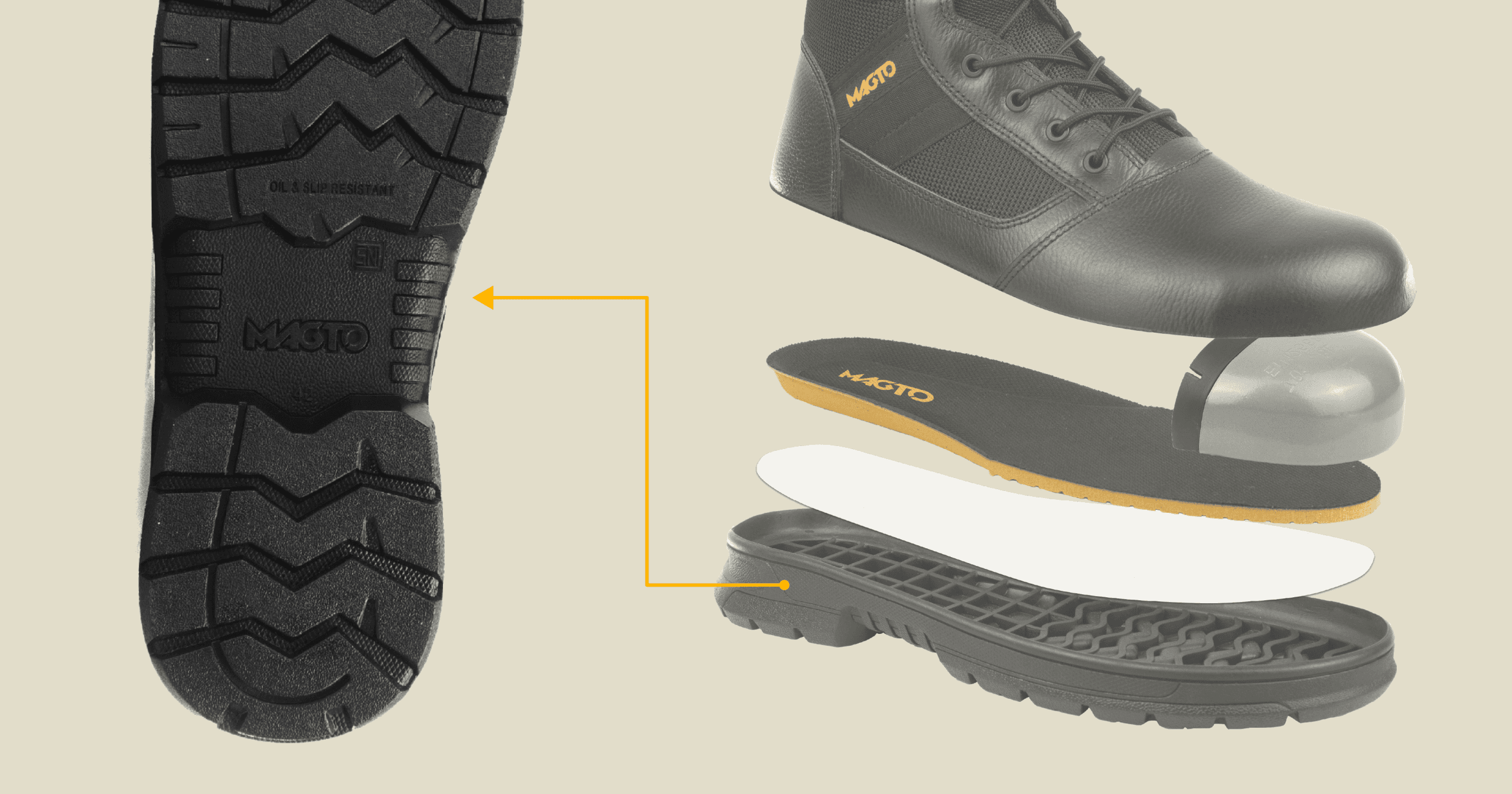
The outsole is the interface between the worker and the surface. Everything that happens in the interaction between the boot and the ground — grip, stability, shock absorption — comes from the outsole.
When a worker slips on a wet surface, the outsole failed. When a worker's feet ache after a long shift, the outsole isn't absorbing shock properly. When oil gets on the floor and a boot loses its grip, the outsole has failed to resist the contaminant.
Rubber vs. PU: The Material That Determines Everything
Rubber outsoles are flexible, durable, resistant to oil and many chemicals, and provide excellent slip resistance on wet and dry surfaces. They handle temperature variation well and don't degrade significantly in humid conditions.
PU outsoles are lighter and less expensive. But PU absorbs water over time, degrades when in contact with petroleum-based oils, and loses its cushioning properties faster than rubber.
A simple field test: take a lighter to the outsole surface. Rubber chars and burns slowly. PU melts and drips.
For procurement specs: Specify rubber outsole. If a supplier's product description doesn't specify the outsole material, ask. Walk away if they can't tell you — or if they tell you it's PU.
Tread Pattern: What Grip Actually Looks Like
Anti-slip performance isn't just about the material — it's about the tread design.
- Multi-directional tread lugs: channel water and debris away in multiple directions, not just forward and back
- Open tread design: lug spacing that doesn't pack up with mud, sawdust, or food waste
- Heel-to-toe rocker profile: a slight curve that facilitates the natural roll of the foot
- Cosmetic treads: decorative grooves that look like grip but don't channel debris — question these
- Single-direction treads: grip well walking forward but offer poor traction laterally — question these
Oil Resistance
Oil resistance is specified but not tested by most buyers — until a worker slips on an oil-slicked floor. Oil degrades rubber over time and PU almost immediately. A boot that grips fine on a clean factory floor will fail on the same floor when oil is present.
SNI 8877.2023 specifies an oil resistance test: the outsole is immersed in IRM 903 oil for 22 hours at room temperature. A boot that passes this test maintains its grip in petroleum oils.
For procurement specs: Specify oil-resistant rubber outsole. Ask for the test result, not just the claim.
Anti-Static: Who Needs It
Anti-static footwear allows static charge to dissipate, preventing sparks in a flammable environment. Required in environments with flammable gases, vapors, or dusts; facilities with sensitive electronic equipment; and work near electrical installations.
For most general industrial and construction environments, anti-static is useful but not critical. Ask for the resistance range: 100kΩ to 1000MΩ is the standard range for SNI compliance.
Bottom Line
The outsole is where the boot meets the world. When specifying boots: specify rubber, not PU; check the actual tread design; verify oil resistance with the test result; and match the outsole to the surface.
Everything else in the boot matters. But the outsole is where safety is actually delivered — or not.
Editor's Pick